
FORT MYERS MORTGAGE BROKER
DSCR Loans in Fort Myers, FL
DSCR loans qualify borrowers based on a rental property’s cash flow rather than personal income, making them a popular option for real estate investors.
- Qualification based on property cash flow, not personal income
- Popular among real estate investors growing a portfolio
Talk With Ryan
Let’s discuss your DSCR loan options.
What Is a DSCR Loan & How Does It Work?
DSCR stands for Debt Service Coverage Ratio — a measure comparing a rental property’s income to its debt obligations. Instead of verifying your personal income, tax returns, and employment the way a conventional or FHA loan does, a DSCR loan qualifies you primarily on whether the property itself generates enough rental income to cover its own mortgage payment.
DSCR loans are a type of non-QM (non-qualified mortgage) financing, meaning they fall outside standard Fannie Mae, Freddie Mac, FHA, and VA guidelines. They’re offered by individual lenders under their own program rules rather than a single federal or GSE standard, which is why terms can vary more from lender to lender than with conventional financing.
How Lenders Calculate Your DSCR
The debt service coverage ratio is calculated as the property’s gross rental income divided by its total housing debt payment (principal, interest, taxes, insurance, and any HOA dues). A ratio of 1.0 means the rental income exactly covers the debt payment; above 1.0 means the property generates more income than its debt costs.
DSCR = Gross Rental Income ÷ Total Debt Payment (PITIA)
Many DSCR lenders look for a ratio at or above 1.0 to 1.25, though minimums vary by lender and some programs will consider a lower ratio with tradeoffs like a larger down payment or higher rate. Rental income is typically supported by a lease or a market rent estimate from the appraisal, rather than your personal tax returns.
These are general market patterns, not fixed rules — every DSCR lender sets its own minimum ratio, and Ryan can tell you where a specific property’s numbers are likely to land.
Down Payment, Credit & Rate Considerations
Because DSCR loans skip personal income verification and are used for non-owner-occupied investment properties, lenders typically offset that flexibility elsewhere:
- Down payment: Generally higher than an owner-occupied loan — many DSCR programs ask for 20% or more.
- Interest rate: Typically higher than a comparable conventional investment property loan, reflecting the reduced documentation and non-QM structure.
- Credit score: Still a factor in qualification and pricing, even though personal income isn’t verified.
- Property type: Used for investment properties only — single-family rentals, small multifamily, and in some cases short-term rentals, depending on the lender’s program.
Exact terms vary meaningfully by lender and program. Ryan can walk you through what to expect for a specific property and investment strategy.
DSCR vs. a Conventional Investment Property Loan
If you have strong, well-documented personal income, a conventional investment property loan may offer a lower rate than a DSCR loan, since it follows standard Fannie Mae/Freddie Mac underwriting. DSCR financing tends to make more sense when your personal income is harder to document — self-employed investors, those with complex tax returns, or investors who’d rather qualify on the property’s numbers instead of their own income — or when you’re scaling a portfolio and want financing that doesn’t rely on personal debt-to-income limits.
See Investment Property Loans for conventional financing on rental properties, or Cash-Out Refinancing if you’re looking to pull equity from an existing property to invest.
Florida Considerations for DSCR Investors
- Short-term rental rules: If you’re planning to use the property for short-term or vacation rentals, check local city, county, and HOA/condo association rules first — short-term rental regulations vary significantly across Southwest Florida municipalities and can affect the rental income a lender will count toward your DSCR.
- Insurance costs: Investment property insurance, and flood insurance where applicable, are real carrying costs in coastal Florida markets and factor directly into your debt service coverage calculation.
- No homestead exemption: Since DSCR loans finance non-owner-occupied investment properties, Florida’s homestead exemption doesn’t apply — factor full property tax exposure into your numbers.
- Condo & HOA review: For a condo or property in an HOA, lender review of the association’s financial health can affect approval, and HOA dues count against your DSCR calculation.
What to Prepare Before You Apply
- An existing lease, or a market rent estimate if the property is vacant
- Property tax, insurance, and HOA dues figures, if applicable
- Bank statements showing your down payment and reserve funds
- Information on any other investment properties you own and their financing
- Questions about the minimum DSCR ratio, down payment, and rate a specific lender is likely to offer for your property
How Ryan Can Help
Ryan Meyer helps real estate investors understand how DSCR qualification works and whether a property is likely to cash-flow enough to qualify.
As your Fort Myers mortgage broker, Ryan helps you compare DSCR loans against other investment property financing options.
REAL CLIENT STORY
DSCR PURCHASE
A Returning Client Grows Her Portfolio With a DSCR Loan
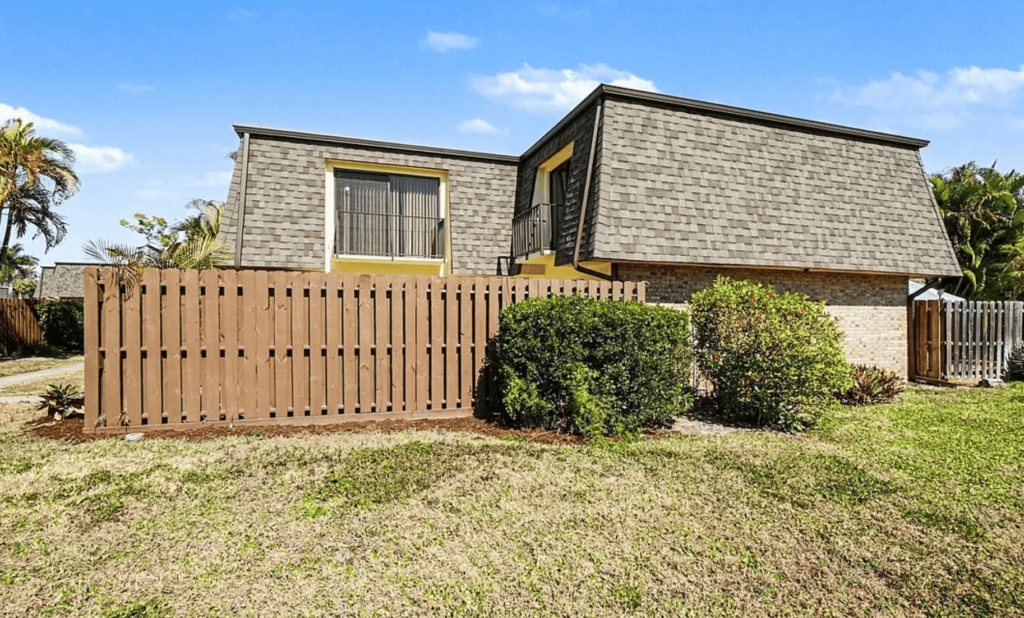
Ryan first worked with this client back in 2017, helping her buy her primary residence in Fort Myers. Years later, now self-employed and looking to grow her real estate holdings, she came back to Ryan to finance an investment property — this time preferring not to qualify using personal tax returns.
Ryan identified a Debt Service Coverage Ratio (DSCR) loan as a fit: a program that weighs a property’s projected rental income and the lender’s specific requirements rather than personal income documentation. The purchase closed, and she now earns rental income from the property.
Projected rental income covering a property’s principal, interest, taxes and insurance does not by itself guarantee loan qualification, and documentation requirements vary across DSCR programs and lenders. This reflects one client’s individual result, not a typical or guaranteed outcome.
Frequently Asked Questions
Frequently Asked Questions
DSCR stands for Debt Service Coverage Ratio, a measure of how well a property’s rental income covers its mortgage payment.
No, DSCR loans are designed for investment properties, not primary residences.
DSCR loans primarily qualify you based on the property’s cash flow rather than your personal income, though specific requirements can vary by lender.
A DSCR loan is one type of investment property financing that qualifies you based on the property’s rental income; other investment property loans may qualify you based on your personal income.
Many lenders look for a ratio at or above 1.0 to 1.25, though minimums vary by lender and some programs allow a lower ratio in exchange for a larger down payment or higher rate. Ryan can review a specific property’s numbers with you.
It depends on the lender and the property’s local short-term rental rules, which vary across Southwest Florida cities and HOAs. Ryan can help you understand what a specific lender will count toward your DSCR.
Let’s Talk About Your Next Move
Growing Your Investment Portfolio?
Connect with Ryan Meyer to see if a DSCR loan fits your next investment property.