
Fort Myers Mortgage Broker
Conventional Mortgages in Fort Myers, FL
A conventional mortgage is not backed by a government agency, which often means more flexible terms and the ability to avoid mortgage insurance once you have enough equity. Ryan Meyer helps Southwest Florida borrowers compare conventional options against government-backed alternatives to find the right fit.
- Not insured or guaranteed by a government agency
- Can avoid mortgage insurance with 20% equity
Talk With Ryan
Let’s discuss your conventional mortgage options.
What Is a Conventional Mortgage & How Does It Work?
A conventional mortgage is a home loan that is not insured or guaranteed by a government agency such as the FHA or VA. Most conventional loans are “conforming,” meaning they follow the underwriting guidelines set by Fannie Mae and Freddie Mac, the two government-sponsored enterprises that purchase the majority of U.S. mortgages from lenders. Loans that don’t meet those guidelines, or that exceed the conforming loan limit, are considered non-conforming and include jumbo loans.
Conventional financing is available as a fixed-rate or adjustable-rate mortgage, for a primary residence, second home, or investment property. It tends to fit borrowers with steady, well-documented income and credit who want the widest range of loan terms and, eventually, the ability to remove mortgage insurance entirely.
Credit, Down Payment & Loan-to-Value Guidelines
Conventional loan requirements are more varied than FHA’s fixed minimums, since they depend on the specific loan program, your lender, and Fannie Mae or Freddie Mac’s automated underwriting results. A few general guidelines:
- Credit score: Fannie Mae removed its hard 620 minimum credit score requirement for loans underwritten through Desktop Underwriter starting with files created on or after November 16, 2025, moving to a broader, risk-based evaluation instead of a single score cutoff. In practice, many lenders still use a credit score around 620 or higher as their own internal guideline, so your qualifying score depends on the specific lender.
- Down payment: Down payments on conventional loans commonly range from 3% to 20%. Programs like Fannie Mae HomeReady and Freddie Mac Home Possible allow as little as 3% down for eligible borrowers, subject to income limits and other program rules. Putting down 20% avoids private mortgage insurance entirely.
- Debt-to-income: Lenders evaluate your total monthly debts against your income; specific maximums vary by loan program and compensating factors like credit score and cash reserves.
Because conventional guidelines vary by program and lender, Ryan can review your specific credit, income, and savings to tell you which conventional options you’re likely to qualify for.
Private Mortgage Insurance (PMI) & How to Remove It
If you put down less than 20% on a conventional loan, your lender will typically require private mortgage insurance (PMI), which protects the lender if you default. Unlike FHA mortgage insurance, PMI on a conventional loan is not necessarily permanent. Under the federal Homeowners Protection Act, borrowers on a single-family primary residence loan closed on or after July 29, 1999 have specific rights to remove it:
- Borrower-requested cancellation: once your loan balance reaches 80% of the home’s original value, you can submit a written request to your servicer, provided you have a good payment history, no junior liens, and evidence the home’s value hasn’t declined.
- Automatic termination: your servicer must cancel PMI automatically once your balance reaches 78% of the original value, as long as you’re current on payments.
- Loan-midpoint termination: PMI must also terminate the month after you reach the midpoint of your amortization schedule (year 15 on a 30-year loan) regardless of loan-to-value, if you’re current on payments.
Source: Consumer Financial Protection Bureau, guidance on the Homeowners Protection Act. This is a meaningful advantage over FHA mortgage insurance, which typically applies for the full loan term regardless of your equity. Exact PMI cost varies by lender, loan program, credit score, and down payment, so ask your lender for your specific rate.
Conforming Loan Limits & Conventional vs. FHA and VA
The Federal Housing Finance Agency (FHFA) sets the conforming loan limit each year based on national home price changes. For 2026, the baseline conforming loan limit for a one-unit property in Lee County, Florida is $832,750. A loan at or below that amount that also meets Fannie Mae/Freddie Mac underwriting guidelines is considered conforming; a loan above that amount is a jumbo loan, which typically carries its own, often stricter, credit and down payment requirements.
| Conventional | FHA | VA | |
|---|---|---|---|
| Minimum down payment | As low as 3% for qualifying programs | 3.5% (580+ score) or 10% (500-579) | Often 0% for eligible veterans |
| Mortgage insurance | PMI if under 20% down; can be cancelled per federal law once you reach 20-22% equity | Upfront + annual MIP, often for the full loan term | No monthly mortgage insurance; one-time funding fee (some exempt) |
| Credit approach | Risk-based underwriting; no fixed score floor, though many lenders use their own minimums | More flexible guidelines than many conventional programs | Flexible, VA/lender-dependent |
| 2026 one-unit loan limit, Lee County | $832,750 (conforming); jumbo above that | $541,287 | No set VA loan limit; based on entitlement and lender guidelines |
General comparison only — actual terms depend on the lender, loan program, and your individual application. Learn more about FHA Loans or VA Loans.
Florida Considerations for Conventional Borrowers
- Condo & HOA review: Fannie Mae and Freddie Mac both review the financial health of a condo association before approving financing in that project, which can matter in Southwest Florida’s many condo and waterfront communities, especially where a building has significant deferred maintenance or a special assessment.
- Flood insurance: A conventional lender will generally require flood insurance if the property sits in a FEMA-designated Special Flood Hazard Area, which applies to a number of coastal and waterway-adjacent properties in the Fort Myers area.
- Homestead exemption: If the home is your primary residence, Florida’s homestead exemption can reduce your taxable assessed value — the first $25,000 applies to all property taxes, including school taxes, and a second $25,000 applies to the assessed value between $50,000 and $75,000 for non-school taxes only.
- Second homes & investment properties: Conventional financing is generally more flexible than FHA or VA for second homes and investment properties, which are common purchase types in Southwest Florida, though down payment and rate requirements are typically higher than for a primary residence.
What to Prepare Before You Apply
- Recent pay stubs, W-2s, or two years of tax returns if you’re self-employed
- Two months of bank and investment account statements
- A valid government-issued ID
- A list of current debts and monthly obligations
- Whether the property is a primary residence, second home, or investment property, since this affects your rate and required down payment
- Questions about which conventional program fits your down payment and credit picture, and how PMI would apply
How Ryan Can Help
Ryan Meyer walks you through conventional loan options and compares them against FHA, VA, and other programs so you can see the full picture before deciding.
As your Fort Myers mortgage broker, Ryan works directly with you from application through closing, keeping you informed at each step.
REAL RESULTS
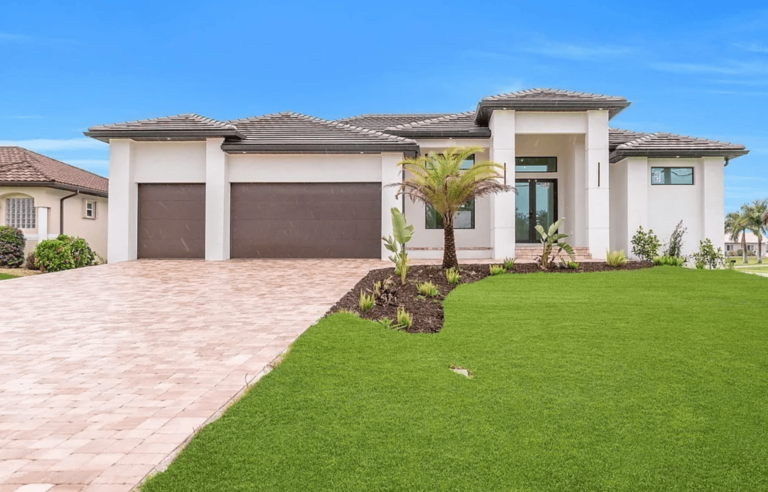
Two Incomes, Six Rental Properties, One Conventional Purchase
A Punta Gorda couple combined self-employed and W-2 income with an existing rental property portfolio. Ryan mapped out the documentation both borrowers needed and guided the file through Conventional financing to a smooth, on-schedule closing.
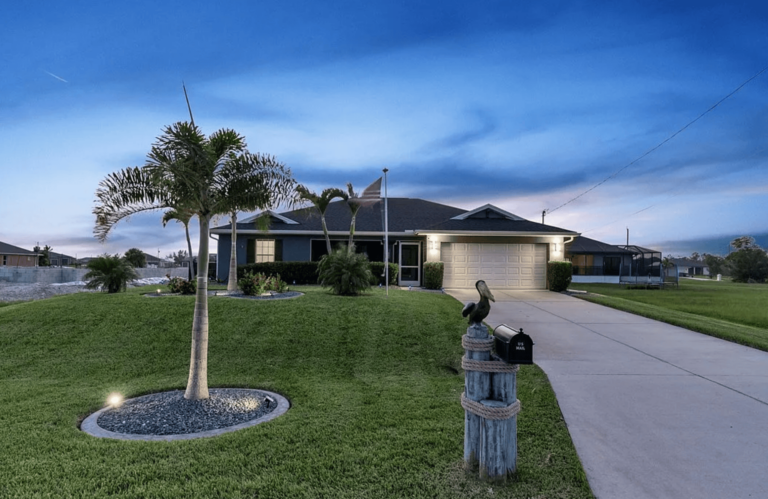
A Second Home Becomes a Full-Time Cape Coral Residence
After retiring from the fire service in Connecticut, one borrower refinanced their Cape Coral second home into a primary residence — and reduced their interest rate by two percentage points along the way.
Frequently Asked Questions
Frequently Asked Questions
Some conventional programs allow as little as 3% down, though a 20% down payment lets you avoid private mortgage insurance.
Conventional loans generally look for stronger credit than some government-backed programs, but exact requirements depend on your full financial picture.
Yes, conventional financing is available for investment properties, though down payment and rate requirements are typically higher than for a primary residence.
FHA loans are insured by the federal government and often have more flexible credit requirements, while conventional loans follow Fannie Mae/Freddie Mac guidelines and can avoid mortgage insurance once you build enough equity.
No. Unlike FHA mortgage insurance, PMI on a conventional loan can be cancelled once your loan balance reaches 80% of the home’s original value (with a good payment history), and your servicer must automatically remove it at 78%, under the federal Homeowners Protection Act.
There’s no single fixed minimum — Fannie Mae’s automated underwriting now evaluates a broader risk profile rather than a hard score cutoff. That said, many lenders still look for a credit score around 620 or higher as their own guideline. Ryan can review your credit to see where you stand.
Let’s Talk About Your Next Move
Ready to Explore Your Conventional Loan Options?
Connect with Ryan Meyer to see whether a conventional mortgage fits your goals, or compare it against other financing options.